
The sun does more damage to a car in Sydney than almost anything else. UV fades and oxidises the paint, dries out plastics and rubber, and cooks the dashboard and seats. You protect against it with shade, regular washing, a layer of protection on the paint and a sunshade inside.
None of it is complicated. Sun damage is slow, so the habits matter more than any one product.
What does the sun do to car paint?
UV breaks down the clear coat, the transparent layer that gives paint its gloss. First the shine goes flat. Then the surface turns chalky, which is oxidation. If it keeps going the clear coat starts to peel, usually on the roof, bonnet and boot because they face straight up.
Heat makes everything else worse too. Bird droppings, sap and water spots etch much faster on a hot panel. That’s why getting sap and droppings off quickly matters more in summer.
Which parts of the car cop it worst?
The flat panels and anything made of plastic or rubber. The roof, bonnet and boot lid get the most direct sun. After that it’s the black plastic trim, which goes grey, the headlights, which go yellow and cloudy, and the rubber seals around the doors and windows.
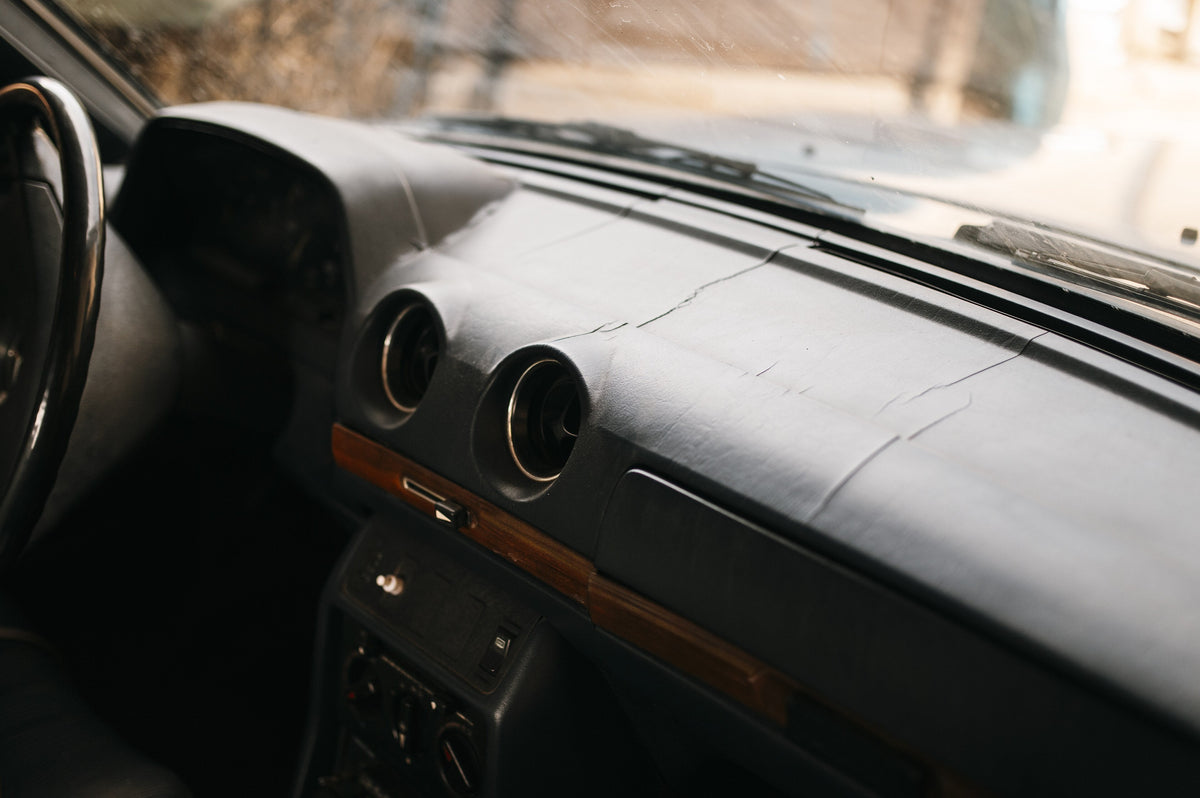
Inside, the top of the dashboard and the tops of the rear seats sit right under the glass. Dashboards crack, leather dries out and fabric fades.

How do you protect the paint from UV?
Keep it clean and keep something on it. Clean paint with a layer of protection handles UV far better than bare, dirty paint.
- Park in a garage, a carport or shade when you can. A tree is shade, but you swap sun for sap and droppings.
- Wash every two weeks so nothing bakes on. How to wash your car at home has the method.
- Keep wax, sealant or a ceramic coating on the paint. Wax lasts weeks, sealant lasts months and a coating lasts years.
- Use a car cover if it’s parked outside for long stretches. Only put it on a clean car, or it rubs dirt into the paint.
A coating is the longest-lasting option, and it has to go on paint that’s been prepped properly. I’ve written about how long ceramic coating lasts in Australia and when the paint needs correcting first.
How do you protect the interior?
Block the sun before it gets in. A windscreen sunshade is one of the simplest things you can buy for your car, and it makes a real difference to the dash and to how hot the cabin gets.
- Put the sunshade up every time you park outside.
- Wipe the dash and door tops with an interior protectant that has UV protection and a matt finish. Skip the greasy, shiny ones.
- Clean and condition leather a few times a year so it doesn’t dry out.
- Think about window tint. Check the NSW rules on how dark you can go before you book it.
There’s more on the cabin in what an interior detail includes.
Can sun damage be fixed?
Some of it can. Dull, chalky paint usually comes back with a machine polish, because the damage is in the top of the clear coat and polishing takes that layer off. Once the clear coat is peeling, polishing won’t help and the panel needs a respray.
A typical one: a red hatch in Hornsby, about ten years old, parked on the street its whole life. The roof and bonnet have gone pink and flat while the doors still look red. A polish brings the colour back on the panels where there’s still clear coat to work with, and I’ll tell you straight if a panel is past saving.
Faded trim can often be improved as well. A cracked dashboard can’t, which is why the sunshade is worth the effort.
How often should a car that lives outside be detailed?
Every 3 to 4 months is a good rhythm for a car parked on the street or driveway. That keeps protection on the paint and stops the plastics and leather drying out. There’s a fuller guide in how often you should detail your car.
Car spending summer outside?
Tell me the car, where it’s parked and what the paint looks like in the sun. Request a quote and I’ll text you back to confirm the right service and a time. There’s no payment to enquire. Rather talk? Call 0491 754 707.
Jake
STIKKYS Detailing, North Turramurra
I grew up on the North Shore, taught myself on my own cars and started STIKKYS in 2025. I work 7 days, 9am to 5pm. More about me.
Cover photo: Shixart1985 / Wikimedia Commons (CC BY 2.0). Other photo is my own work.
Share:
Jacaranda season on the North Shore: how to protect your car
How to clean leather car seats and keep them soft